

From Access to Outcomes: Transforming Rural Health in Indiana
Author: Greg Alexander
Rural health transformation in Indiana is often discussed at a policy level, but many of the most urgent challenges are unfolding within rural communities themselves.
Rural healthcare systems throughout the state are navigating a complex landscape. Workforce shortages, limited behavioral and mental health services, aging populations, and increasing demand for care are placing significant pressure on clinicians. At the same time, rural communities operate with fewer healthcare resources and limited infrastructure compared to larger metropolitan areas.
Addressing these challenges requires more than simply expanding services. Meaningful rural health transformation depends on building systems that are sustainable, data-driven, and responsive to the unique needs of each community.
Understanding the Rural Healthcare Challenge in Indiana
Rural communities across Indiana face several structural barriers that make healthcare delivery more difficult.
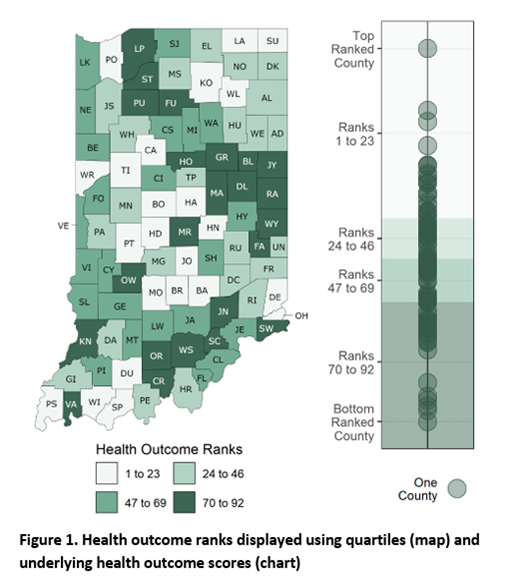
Health outcomes vary significantly across counties in Indiana. Differences in healthcare access, socioeconomic conditions, and public health infrastructure contribute to these disparities.
Data from the County Health Rankings & Roadmaps highlights how health outcomes differ across Indiana counties, emphasizing the need for targeted public health strategies that address local community needs.
Geographic barriers also contribute to healthcare access challenges. Patients in rural communities may need to travel significant distances to access hospitals, specialty care, or behavioral health services. For older adults and individuals with limited transportation options, these barriers can significantly impact their ability to receive care.
These realities highlight the need for healthcare solutions designed specifically for rural communities.
The Role of Data in Rural Health Transformation
One of the most essential elements of rural health transformation is the use of data to guide decision-making.
Population health data helps healthcare leaders identify disease trends, behavioral health needs, and gaps in healthcare access. Insights from data can reveal patterns related to chronic disease, behavioral health needs, healthcare utilization, and social determinants of health.
In Indiana, community-level data plays a critical role in helping public health leaders design programs that address the most pressing local health priorities.
A Community Health Needs Assessments helps public health leaders understand local health priorities and identify service gaps. By combining quantitative data with feedback from local stakeholders, these assessments provide a comprehensive understanding of the health challenges facing a county or region. They also guide strategic planning and funding decisions.
When healthcare strategies are informed by reliable data, communities are better positioned to move from reactive responses to proactive health initiatives.
Collaboration as a Foundation for Progress
Rural health transformation cannot be achieved by a single organization working alone. It requires collaboration among multiple stakeholders across the healthcare ecosystem.
Public health departments, healthcare providers, community organizations, and policymakers all play important roles in strengthening local health systems. When these groups align around shared goals, they can create coordinated strategies that address healthcare challenges more effectively.
Community engagement is particularly important in rural health initiatives. Local leaders, healthcare professionals, and community members bring valuable perspectives that help shape practical and sustainable healthcare solutions.
Partnerships between healthcare organizations and public health agencies can also support initiatives such as preventive health programs, behavioral health outreach, and workforce development strategies.
Addressing Healthcare Workforce Shortages in Rural Communities
Workforce development is another critical pillar of rural health transformation.
Workforce shortages are already visible across the state. According to the Indiana Department of Health, 71 of Indiana’s 92 counties contain areas designated as Health Professional Shortage Areas (HPSA), meaning many communities do not have enough healthcare providers to meet patient demand.
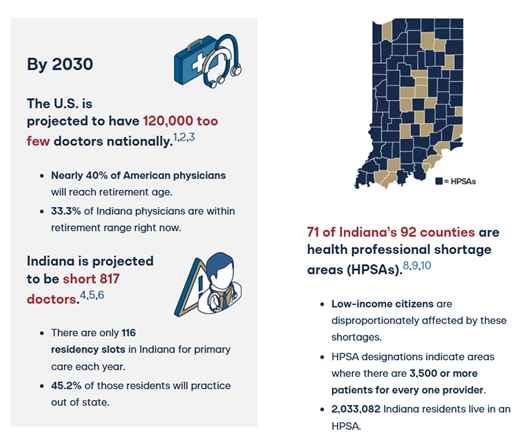
Figure: Physician workforce shortages and Health Professional Shortage Areas (HPSAs) across Indiana.
Healthcare professionals working in rural communities often face significant demands due to limited staffing and increasing patient needs. Supporting these professionals through training programs, improved tools, and better workforce planning can help strengthen healthcare delivery.
Behavioral and mental health services are another critical gap. Many rural counties have limited access to behavioral health professionals, making it difficult for individuals to receive timely support. As awareness around mental health continues to grow, the demand for these services continues to increase.
Investing in workforce development initiatives helps build long-term healthcare capacity. Strategic partnerships with training institutions, workforce programs, and healthcare organizations can help rural communities attract and retain the professionals needed to serve their populations.
Innovation in Rural Healthcare Delivery
Innovation plays an increasingly significant role in improving healthcare access for rural populations.
Digital health technologies, telehealth services, and data-driven population health tools help healthcare providers expand access to care while improving efficiency. These technologies allow providers to reach patients who may otherwise face barriers to receiving services.
When combined with community partnerships and strong public health strategies, these innovations can significantly strengthen healthcare delivery systems.
Looking Ahead
The future of healthcare transformation will not be shaped only in large urban healthcare systems. Many of the most important innovations will emerge from rural communities working to address healthcare challenges at the local level.
Across Indiana, rural communities are demonstrating resilience and leadership in strengthening their healthcare systems. By combining data-driven insights, collaborative partnerships, workforce development initiatives, and innovative healthcare models, rural communities can build stronger and more sustainable healthcare systems.
Improving health outcomes in rural Indiana is not just a healthcare priority, it is an opportunity to reimagine care, empower local economies, and create healthier communities across the state.